There's nothing quite like watching someone flow through a concrete jungle -- vaulting walls, clearing rails, landing clean. Parkour and Freerunning aren't just sports. They're a whole mindset: problem-solving with your body, building discipline, and moving with total freedom.
Ready to jump in but not sure where to start? This guide breaks down the key concepts, core techniques, and real differences between the two disciplines.
What Is Parkour? History and Core Philosophy
At its core, parkour is about getting from A to B the fastest, safest, and most efficient way possible -- using nothing but your body and whatever's in front of you. Walls, rails, ledges? Not roadblocks. Just part of the route.
The discipline traces back to French military training methods and was shaped into what we know today by David Belle. Old-school parkour is all about efficiency, risk management, and clean execution -- no flips for the camera.
What Is Freerun?
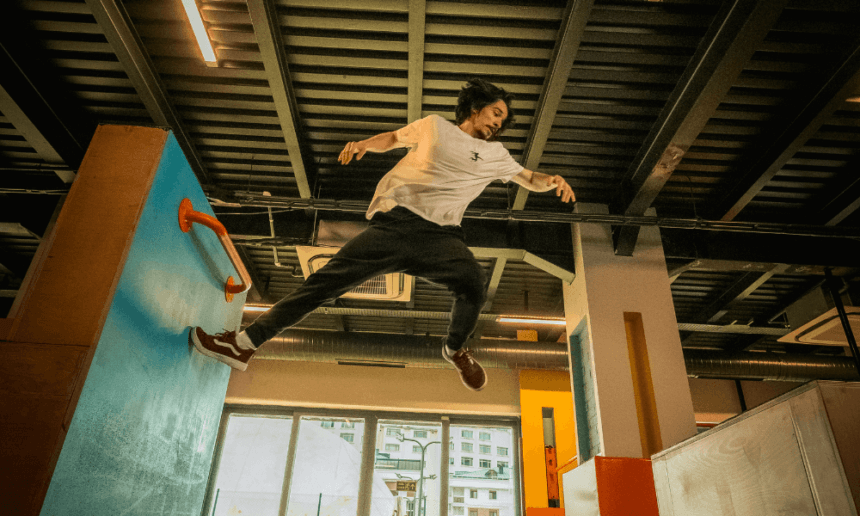
Freerunning grew out of parkour but took a different turn. Efficiency still matters, but the real goal is self-expression -- adding acrobatics, flow, and personal style to every move.
Flips, spins, and creative combos are the heartbeat of freerun. Think of it as movement turned into performance art.
Key Differences Between Parkour and Freerun
They're siblings, not twins. Here's where they split:
- Focus: Parkour is about efficiency, safety, and speed. Freerun is about style, creativity, and acrobatics.
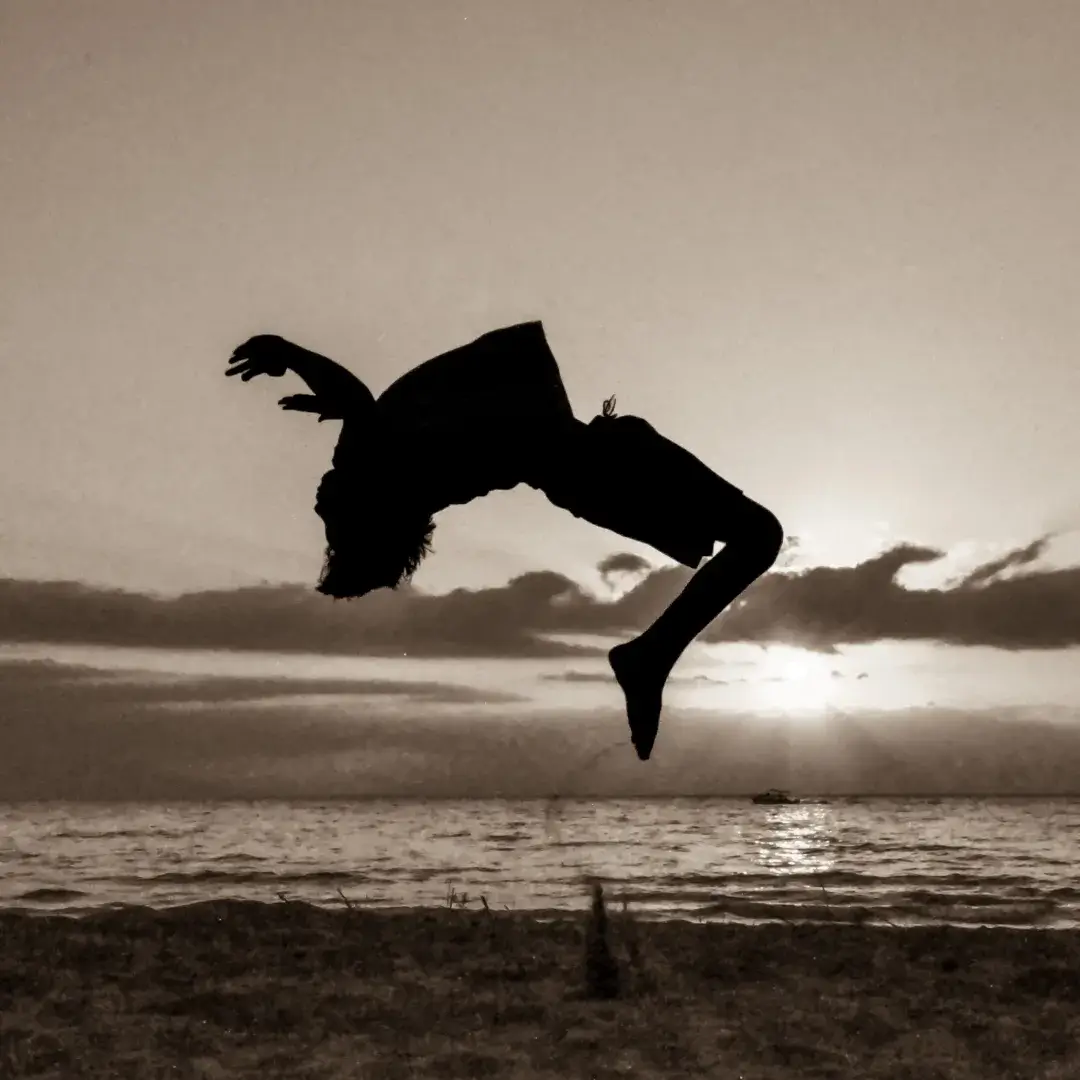
- Movement Choice: A traceur picks the shortest, safest line. A freerunner might take the longer route -- if it means throwing a sick backflip off a wall.
- Mindset: Parkour solves movement problems. Freerun turns those solutions into art.
Essential Parkour Moves Every Beginner Should Know
These are the foundational techniques you'll drill first -- and keep refining forever:
1. Precision Jump
A pinpoint leap between small surfaces. It's all about foot placement, balance, and sticking the landing.
2. Parkour Roll
A diagonal shoulder roll that absorbs impact after drops and keeps your momentum going. Not a gymnastics roll -- it's designed to protect your spine on hard ground.
3. Wall Run
Plant your foot on the wall, explode upward, grab the top. You're converting horizontal speed into vertical height. Pure momentum.
4. Vaults
Getting over waist- or chest-height obstacles using your hands. Kong Vault, Dash Vault, Speed Vault, Lazy Vault -- each one has its own feel and flow.
Why Learn Parkour?
Parkour builds real-world fitness: cardio, mobility, coordination, and functional strength you can actually use. It sharpens your reaction time, body awareness, and ability to stay cool under pressure.
But here's the bigger payoff: parkour rewires how you think. You learn to look at any obstacle and ask "How do I get past this?" -- and that mindset carries over into everything else. School, work, life. Confidence levels up.
"Parkour isn't just about pushing your body past its limits. It's about breaking down the invisible walls that fear builds in your mind."
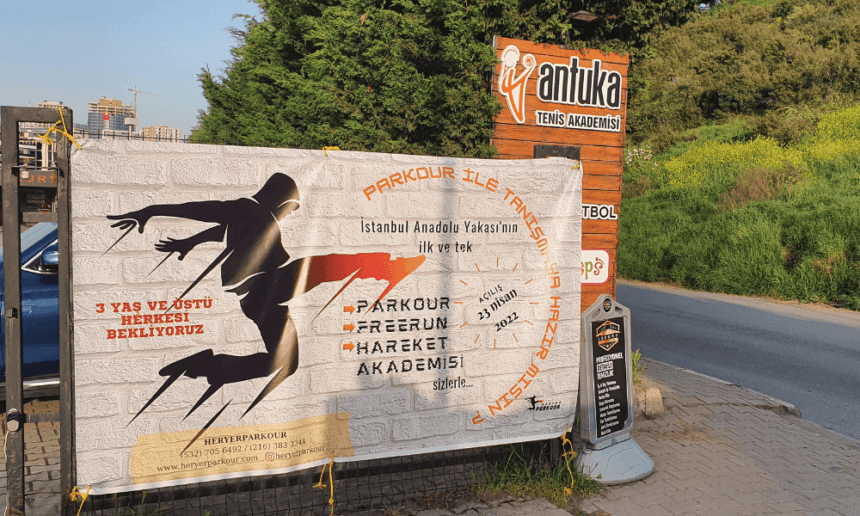
Want to learn these skills in a safe, professional setup with foam pits and expert coaches? HerYerParkour is open to kids, teens, and adults at every level. Come move with us.
Related Articles
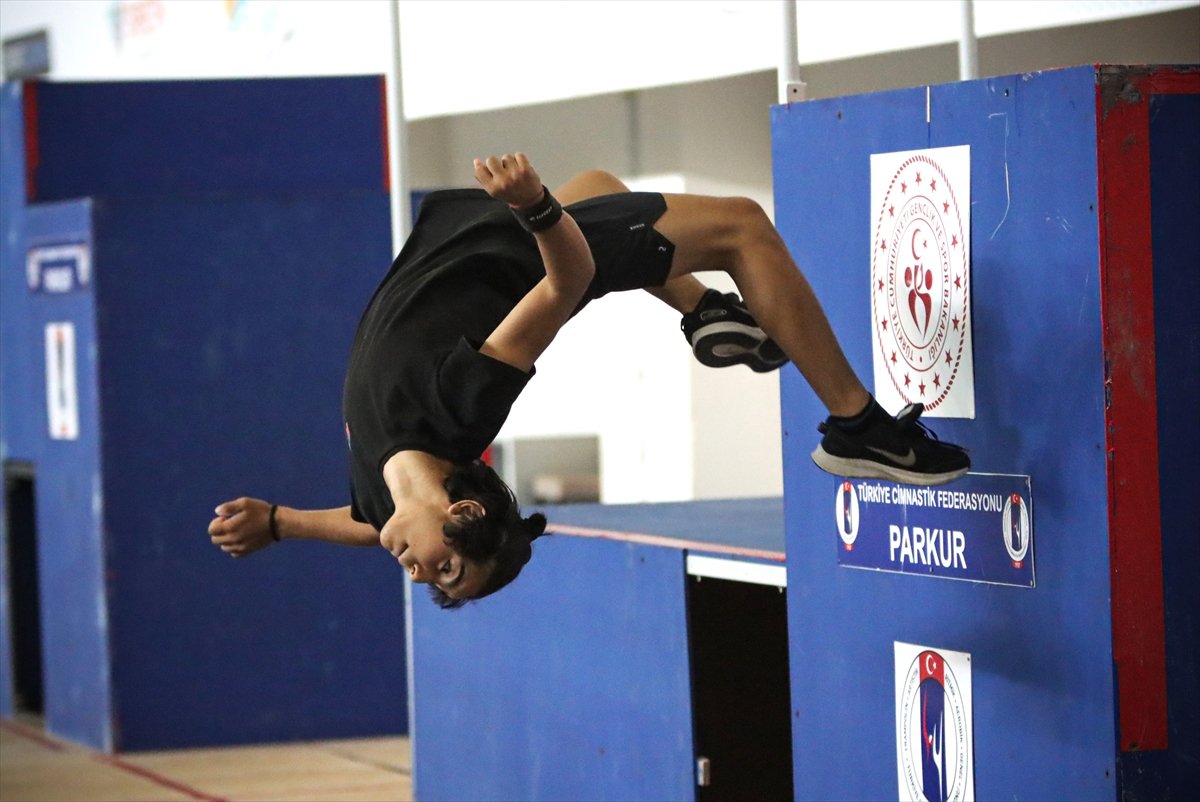
Everything About Gymnastics: Fundamentals and Movements
What is gymnastics and which basic movements should you learn first? A practical complete guide.
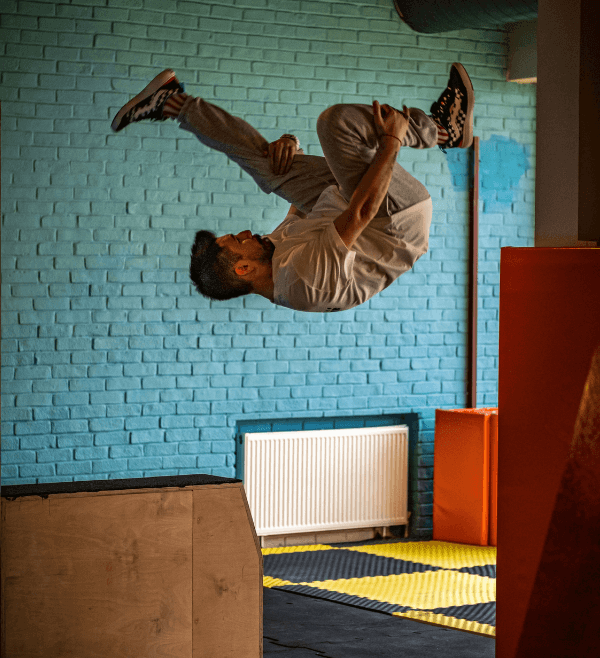
HerYerParkour Parkour Training Classes
Parkour programs for kids, adults, and advanced levels with professional coaching in a safe setup.
Best Parkour and Freerunning Venues in Istanbul
A practical venue guide for indoor gyms and open areas where you can practice parkour in Istanbul.